Epoxy vs Tile Flooring Comparison for Best Value in Your Space
Epoxy vs Tile Flooring Comparison for Best Value in Your Space
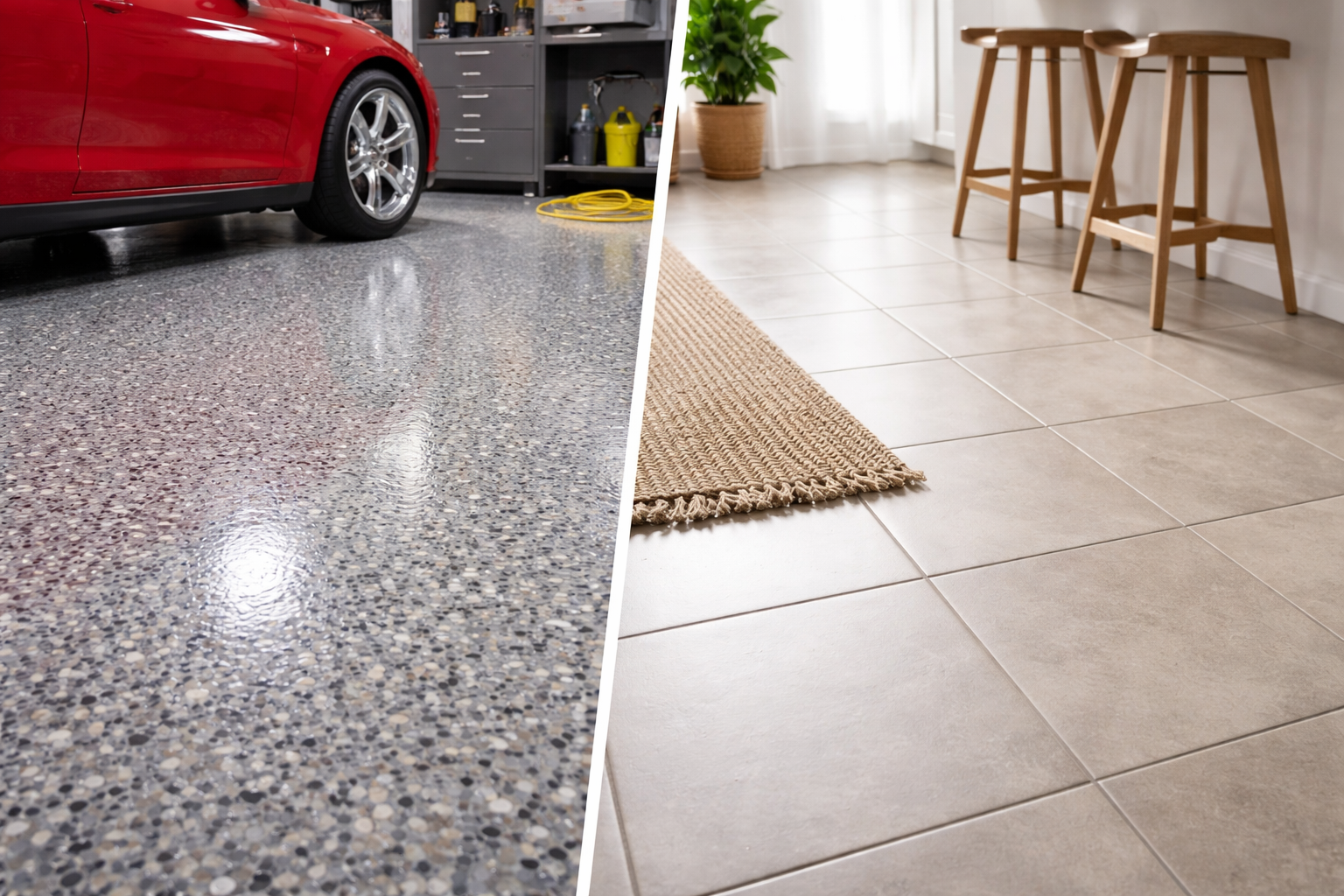
When you are choosing new flooring for your home or business, the big decision often comes down to performance, cost, durability, and long-term value. Two of the most-talked-about options today are epoxy flooring and tile flooring. Both have compelling advantages, but which one actually offers better overall value for your specific needs? This comparison breaks down how epoxy and tile stack up across key factors so you can make a confident choice for your garage, basement, workshop, retail space, or living area.
Why Comparing Epoxy and Tile Flooring Matters Before You Invest
Flooring is one of the largest investments in any renovation, and the wrong choice can cost you in maintenance, repairs, or replacement down the road. Epoxy and tile both promise lasting solutions, but they perform very differently under daily wear and environmental stress. Evaluating real value means looking beyond upfront price to factors like longevity, maintenance, aesthetics, and performance in real world use.
Homeowners and business owners alike want flooring that looks great and stands up to life’s demands. Choosing flooring without understanding the tradeoffs can lead to frustration and unexpected costs later. Here’s how epoxy and tile compare on the metrics that matter most.
Common Strengths and Limitations of Epoxy vs Tile Flooring
•
Durability and Wear Resistance
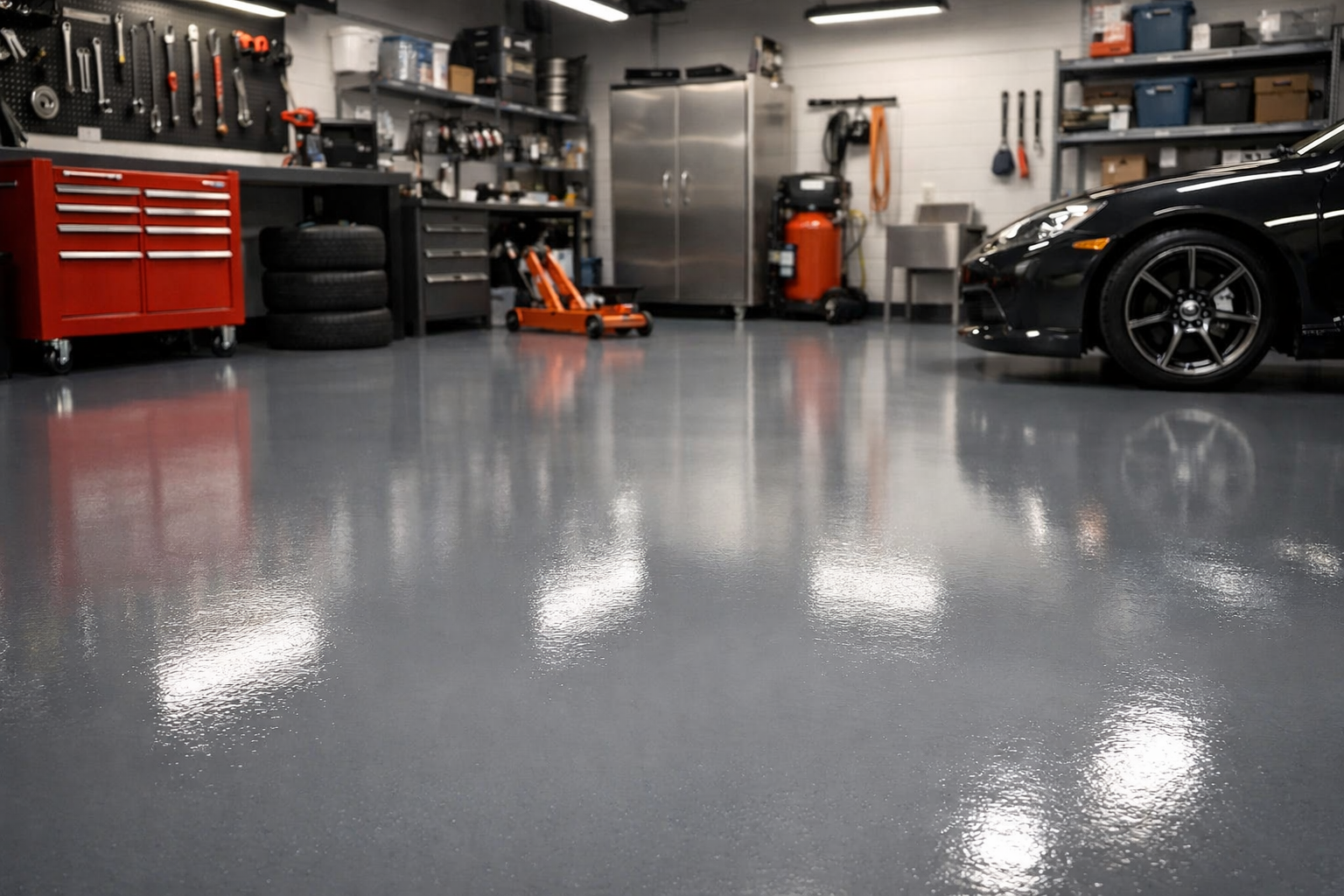
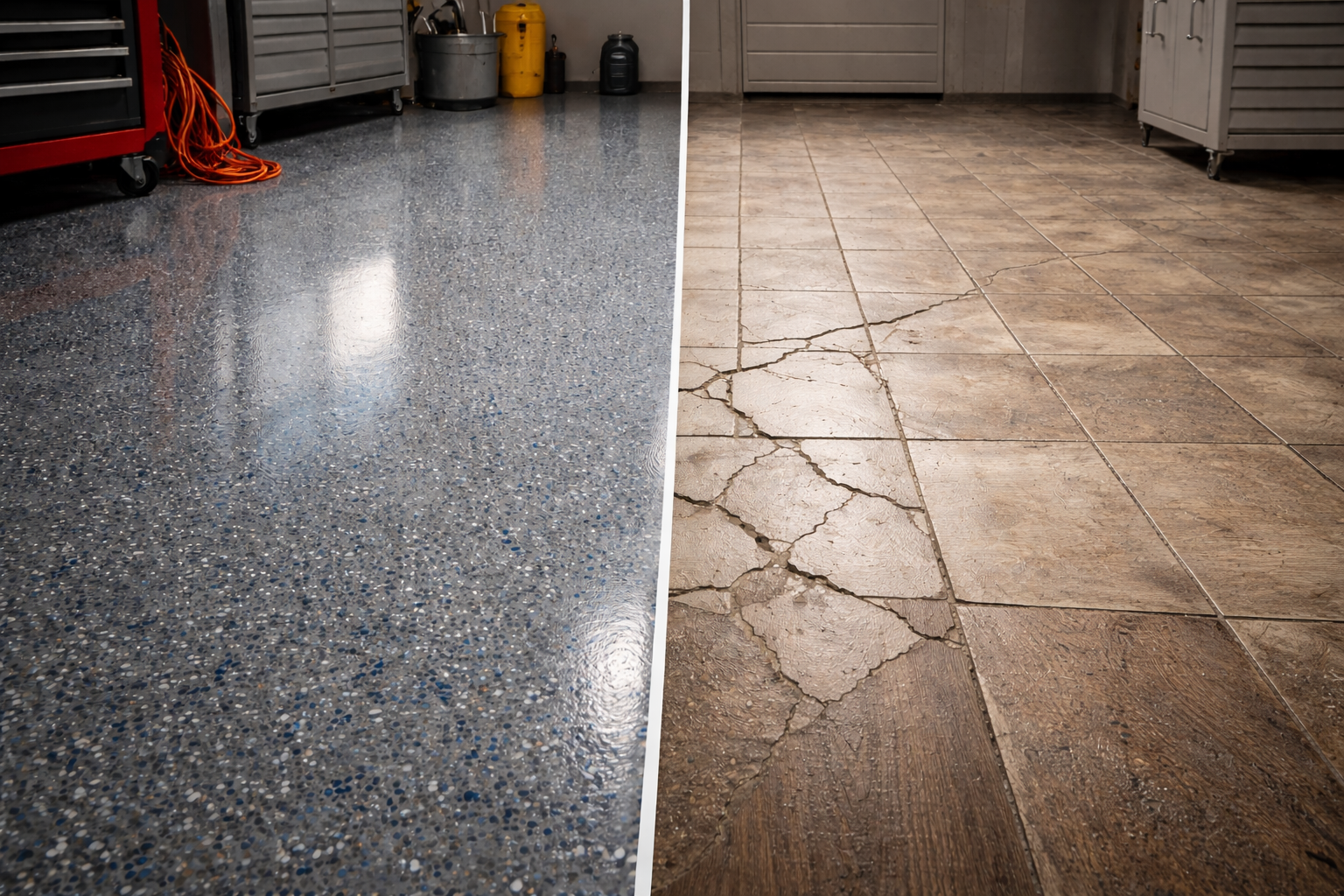
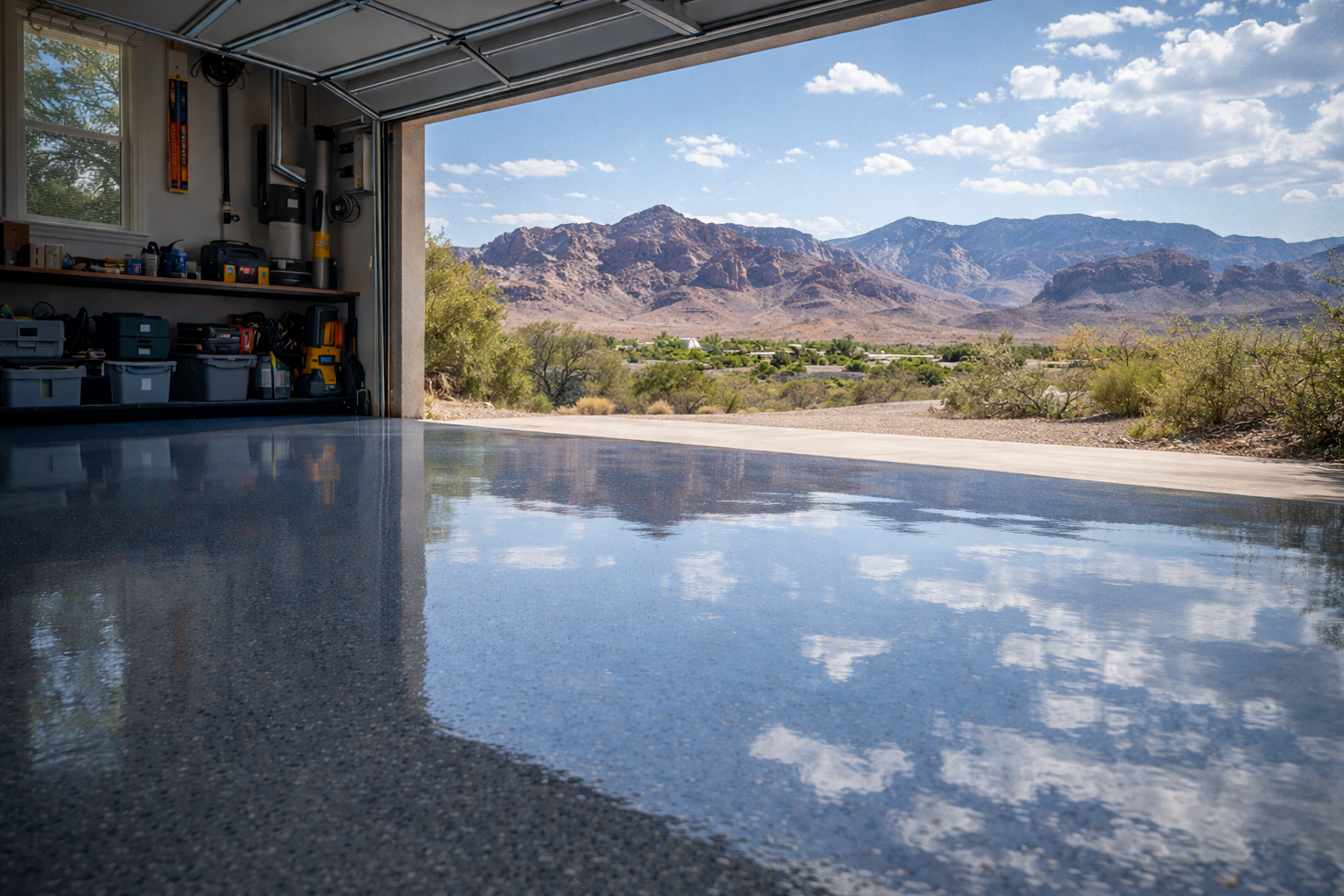
Epoxy flooring creates a seamless, non-porous surface that resists cracking, chipping, and moisture penetration. It absorbs impact well and stands up to heavy loads from vehicles and equipment, which makes it ideal for garages, basements, and industrial floors.
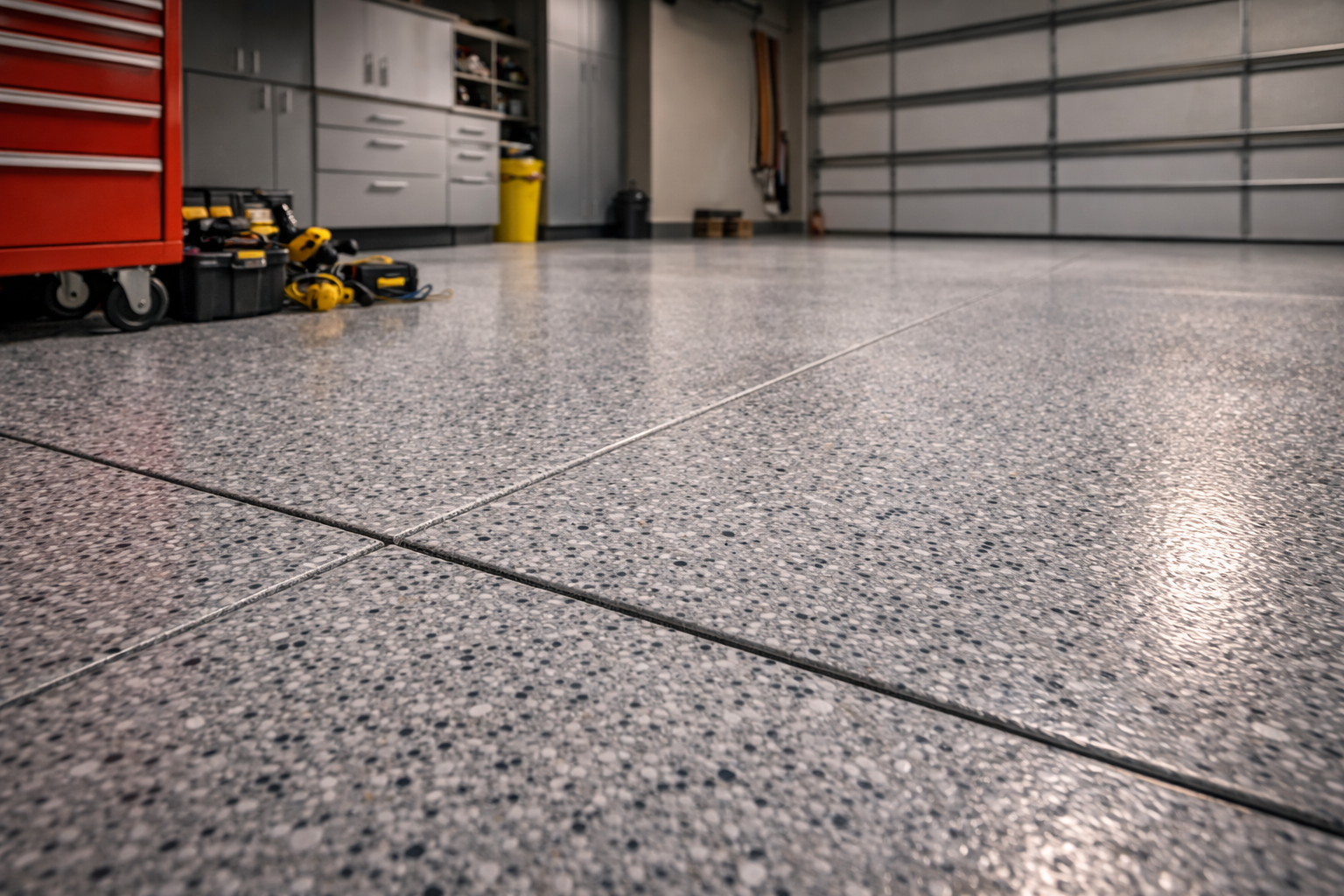
Tile, especially porcelain and ceramic, is naturally hard and scratch-resistant, but individual tiles can crack or pop loose if the substrate shifts. Grout lines can also absorb stains and moisture if not properly sealed over time.
•
Maintenance and Cleanability
Epoxy is easy to clean with basic sweeping and mopping since it has no grout lines and resists spills and stains. It does not support mold or mildew growth and doesn’t need waxing.
Tile floors require regular grout sealing and grout cleaning. Dirt and grime can settle into grout lines, and replacement tiles may be needed if cracking occurs.
•
Aesthetics and Design Options
Tile offers a huge range of colors, patterns, and textures—from classic subway tile to marble-look porcelain. It can elevate decorative spaces and adapt to many design schemes.
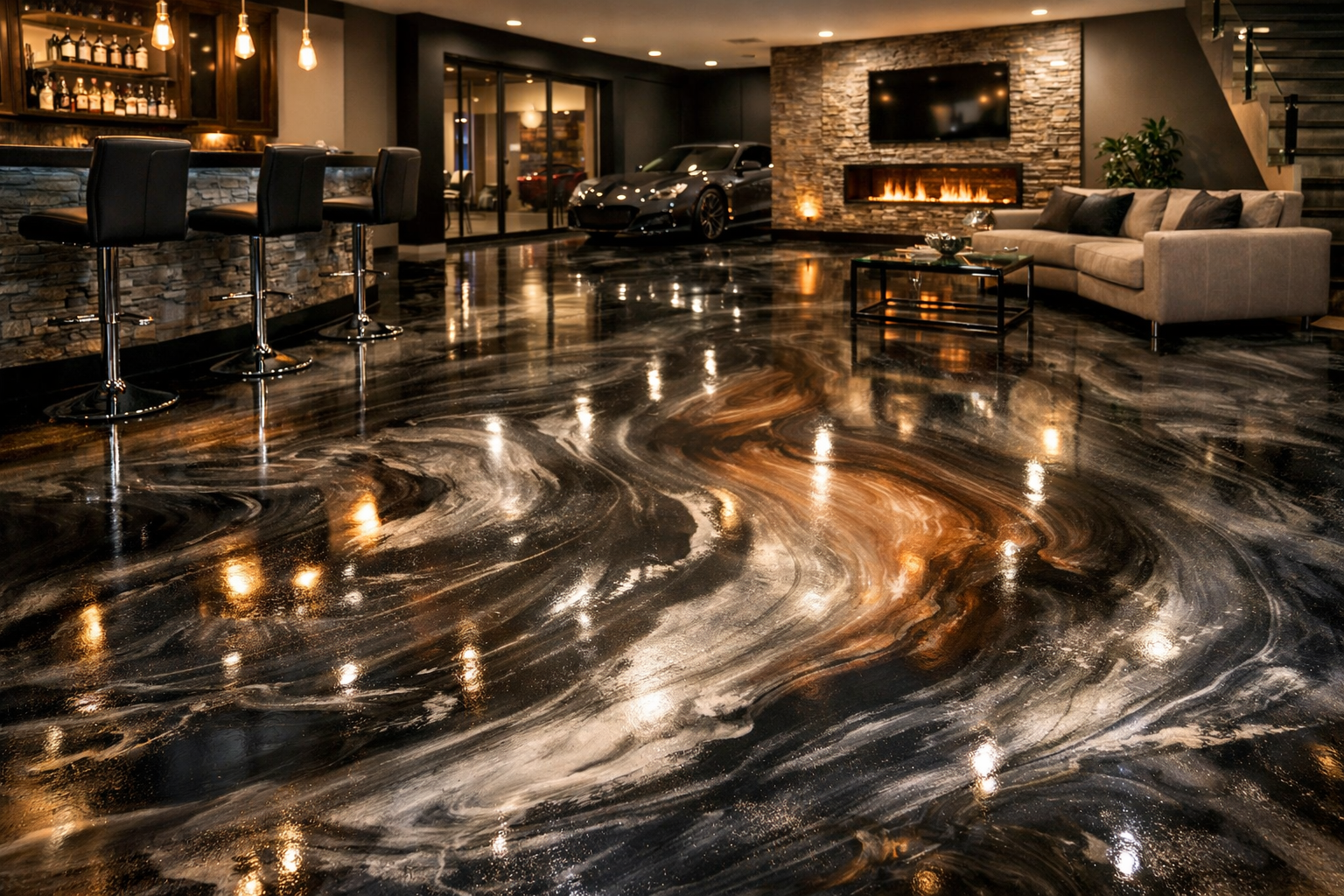
Epoxy can be customized with colors, metallics, flakes, and logos, offering modern and high-gloss looks. While increasingly stylish, epoxy designs don’t match the traditional aesthetic range of tile.
•
Water and Chemical Resistance
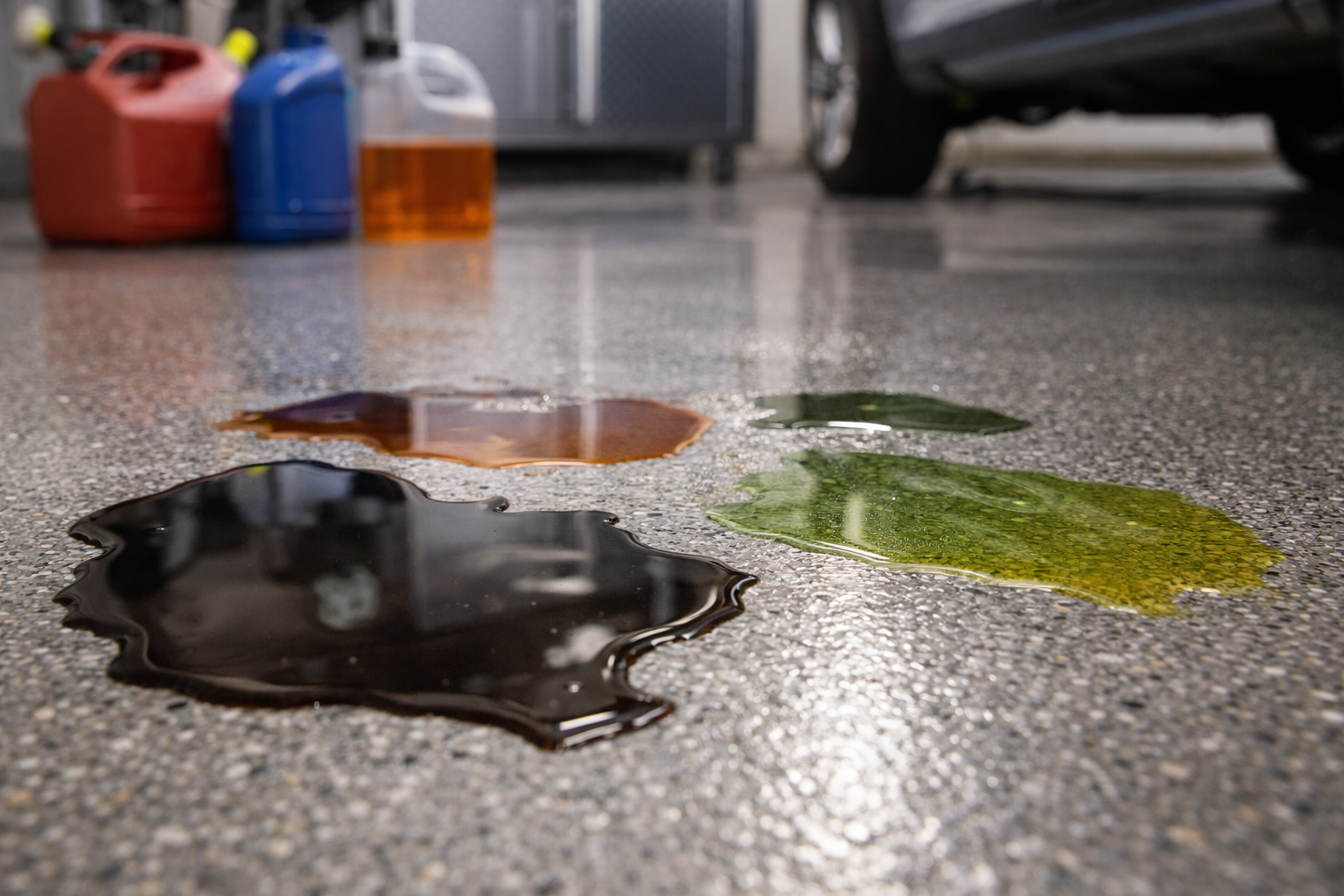
Epoxy floors are naturally waterproof and resist most chemicals, oils, and solvents, making them suited for garages, commercial kitchens, and warehouses.
Tile is water-resistant when installed correctly, but grout lines may absorb water if not sealed. Some tiles are sensitive to certain acids or alkalis over time.
•
Installation and Disruption
Epoxy installation can be fast and economical, with minimal downtime in typical garages and basements. Proper surface prep is critical for adhesion.
Tile installation is labor-intensive and takes longer. The substrate must be flat and stable, and cutting tiles for edges and corners requires expertise. This often means longer project time and higher labor costs.
Which Flooring Option Offers Better Value for You
Value is not just the lowest price per square foot. Value is longevity, performance, ease of care, and how well the flooring fits your lifestyle or business demands.
Epoxy Flooring Offers Best Value When:
• You need a seamless, waterproof surface with minimal maintenance.
• The space sees heavy traffic, cars, tools, chemicals, or moisture.
• You want a modern, clean look with customizable color and finish.
• You prefer lower long-term costs for maintenance and durability.
Tile Flooring Offers Best Value When:
• Design aesthetics and traditional elegance are top priorities.
• You are renovating living spaces like kitchens or bathrooms where tile stylings are preferred.
• You are willing to maintain grout lines and occasionally replace tiles.
Local Context in Flooring Choices
In Michigan and across the Midwest, floors in garages and basements face seasonal moisture, salt, and temperature swings. Epoxy’s waterproof surface and resistance to freeze-thaw conditions make it a practical choice for environments with snow, water intrusion, and heavy use. Tile can also perform well but demands excellent sealing to handle moisture challenges.
What Professional Epoxy Flooring by Epoxy Don Looks Like
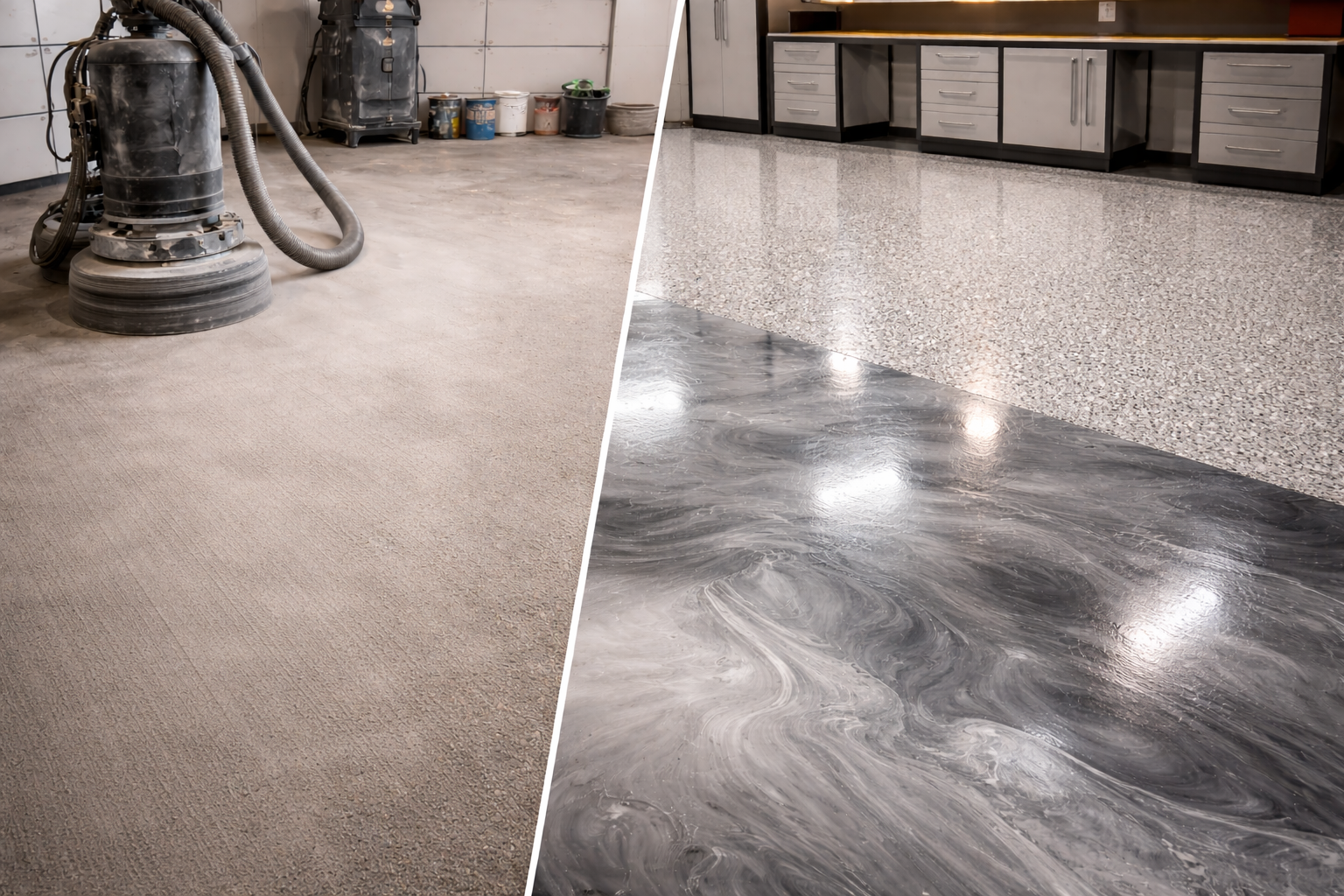
At Epoxy Don, we specialize in high-performance epoxy floor systems that combine durability with standout design. Our trained installers start with thorough surface preparation—repairing cracks, profiling the concrete, and ensuring perfect adhesion.
We offer:
• Solid color and high-gloss epoxy for a sleek finish
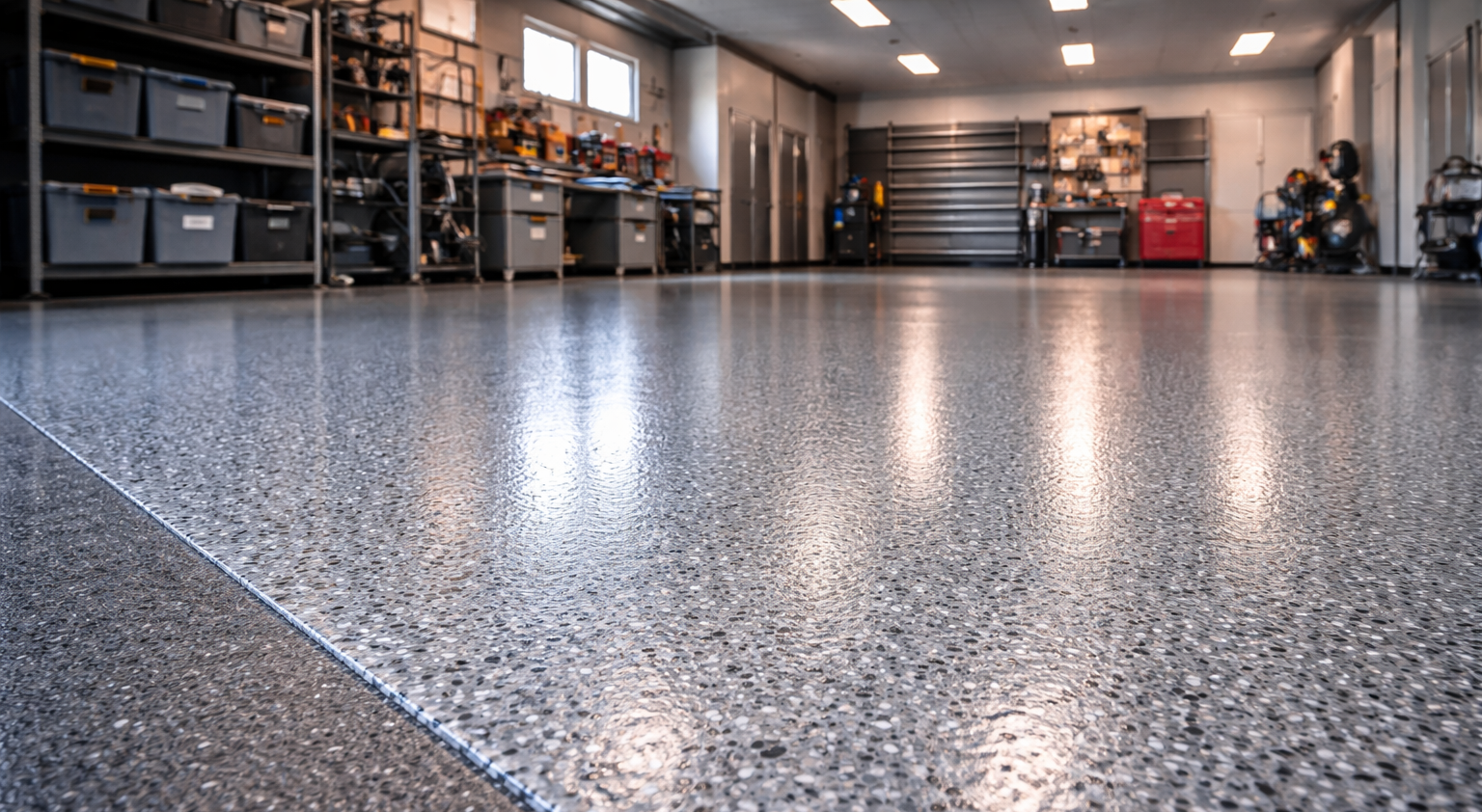
• Flake systems for texture, slip resistance, and visual depth
• Metallic epoxy for premium aesthetic impact
• UV-stable formulations that resist yellowing
Every installation is backed by industry-leading materials and workmanship you can trust.
Actionable Steps to Decide Between Epoxy and Tile
- Evaluate use case:
Identify the function of the space. High physical and chemical demands point toward epoxy. Decorative spaces may lean tile.
- Assess budget long-term: Look beyond installation cost to maintenance and replacement cycles.
- Check moisture and substrate conditions: High moisture environments favor seamless epoxy.
- Compare samples: Visualize both options in your space with real samples and lighting.
- Consult professionals: A flooring expert can recommend specific systems based on your needs.
Common Questions About Epoxy and Tile Flooring
• Is epoxy flooring slippery when wet?
Properly finished epoxy can be textured for slip resistance.
•
Can epoxy be used in kitchens or living spaces?
Yes. With the right formulation, epoxy can be both functional and stylish in finished homes.
•
How long does tile last compared to epoxy?
Both can last decades with proper care. Tile may need grout resealing and occasional replacement of cracked tiles.
•
Which is easier to repair?
Epoxy repairs are often seamless; damaged tiles require replacement of individual pieces.
Why Homeowners and Businesses Choose Epoxy Don for Flooring
Epoxy Don combines craftsmanship with design flexibility and practical performance. We use premium materials and proven installation techniques to ensure floors that perform beautifully for years. Our team helps clients understand options and choose the solution that delivers the best value for their needs.
Epoxy or tile, the right choice starts with expertise. Let us help you make it.
Ready to transform your floors with a high-value solution?
Contact Epoxy Don for a free consultation and estimate today.
Get A No Cost Estimate Today
Check Out Our Other Concrete Coatings Articles:
Coming Soon