The Science Behind Epoxy Flooring - How It Chemically Bonds to Concrete for Long-Term Durability
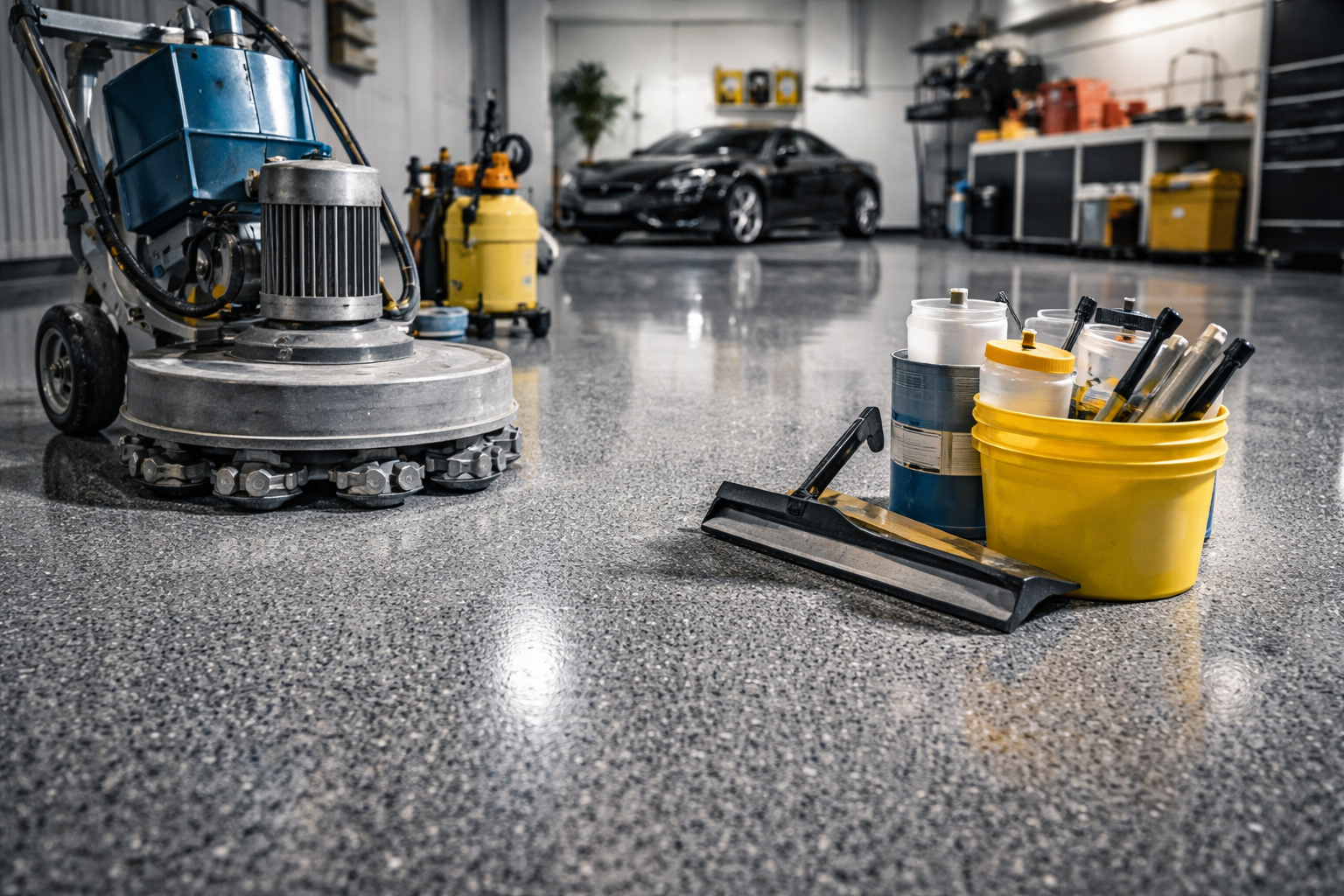
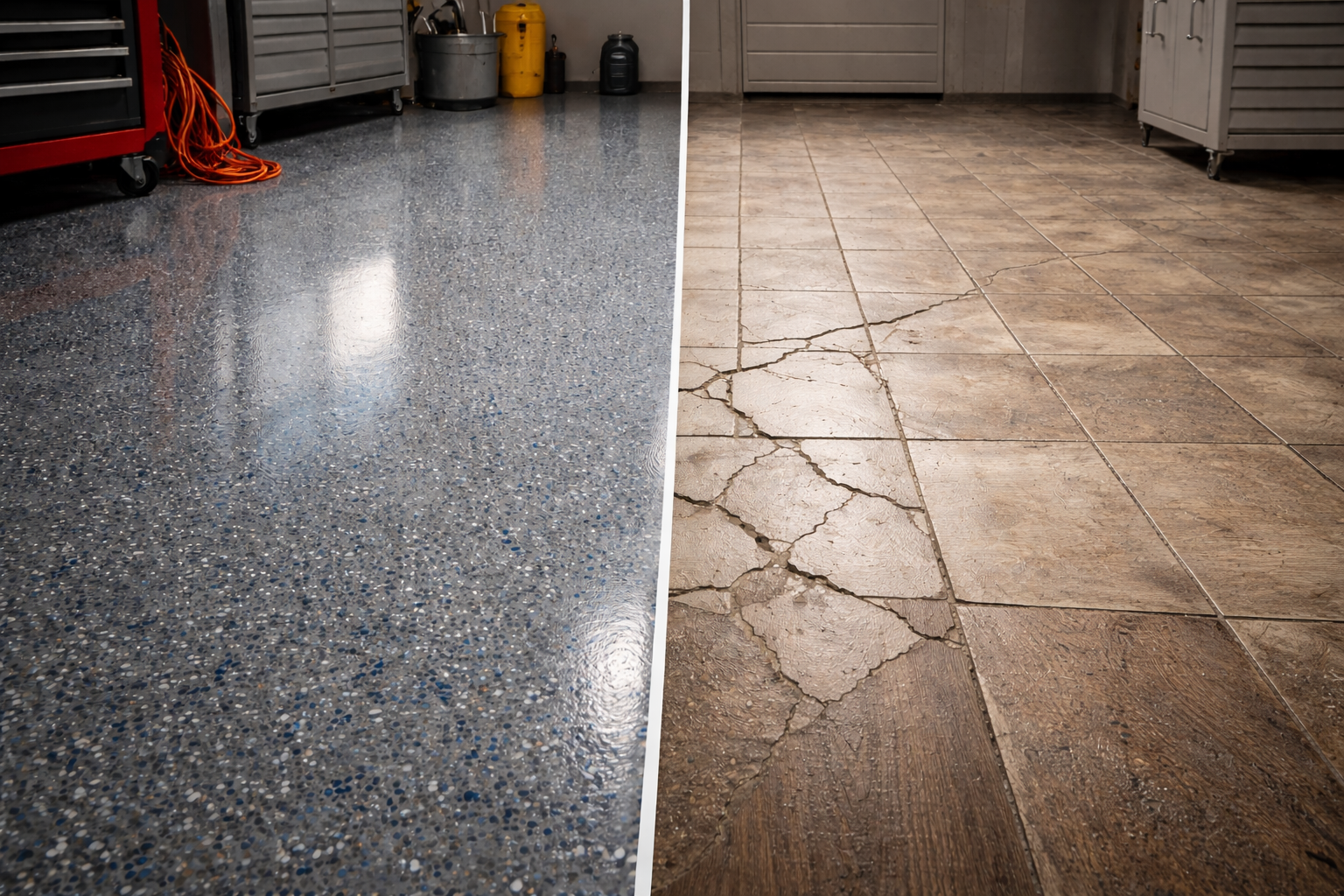
Epoxy flooring is not paint, and it does not simply sit on top of concrete. When installed correctly, epoxy becomes part of the concrete surface itself. That bond is what gives epoxy floors their strength, chemical resistance, and long service life. Understanding the science behind how epoxy bonds to concrete explains why professional installation makes the difference between a floor that lasts decades and one that peels within a year.
At Epoxy Don, every installation is built around this chemistry. Durability is not accidental. It is engineered.
Why Epoxy Outperforms Coatings That Only Sit on the Surface
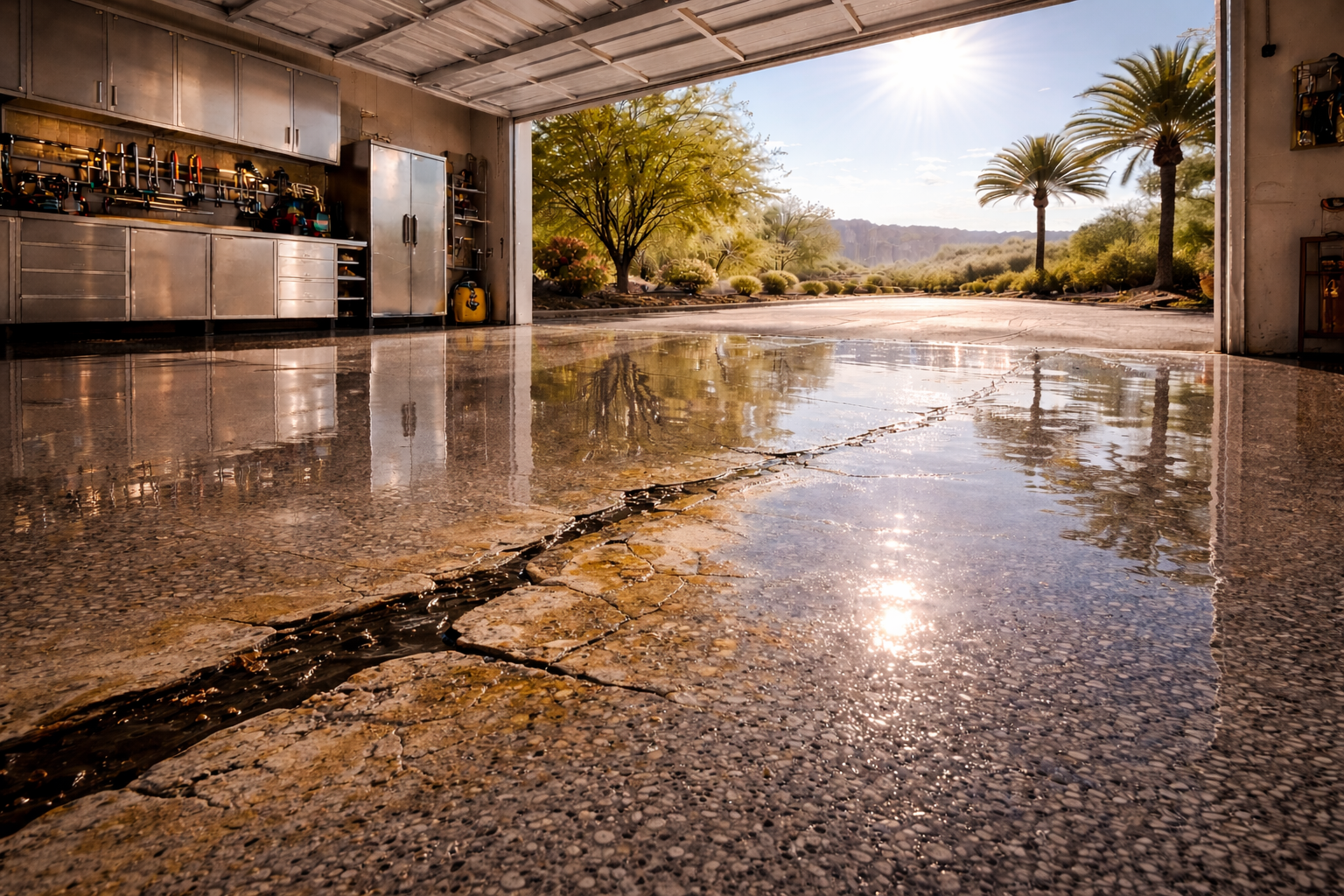
Concrete is porous. Even smooth-looking slabs contain microscopic capillaries, air pockets, and imperfections. Basic coatings simply dry on top of that surface. Epoxy, when properly prepared and applied, penetrates those pores and locks in mechanically and chemically.
This deep interaction creates:
• Superior adhesion strength
• Resistance to peeling and delamination
• Load-bearing durability under vehicles and equipment
• Long-term performance in demanding environments
Without this bond, epoxy is just another coating. With it, epoxy becomes structural protection.
The Chemistry of Epoxy - Resin and Hardener at Work
Epoxy flooring is created by combining two components: resin and hardener. When mixed, a chemical reaction called polymerization begins. The molecules link together to form long, rigid chains that cure into a dense, plastic-like material.
This reaction does three critical things:
• Creates high compressive strength
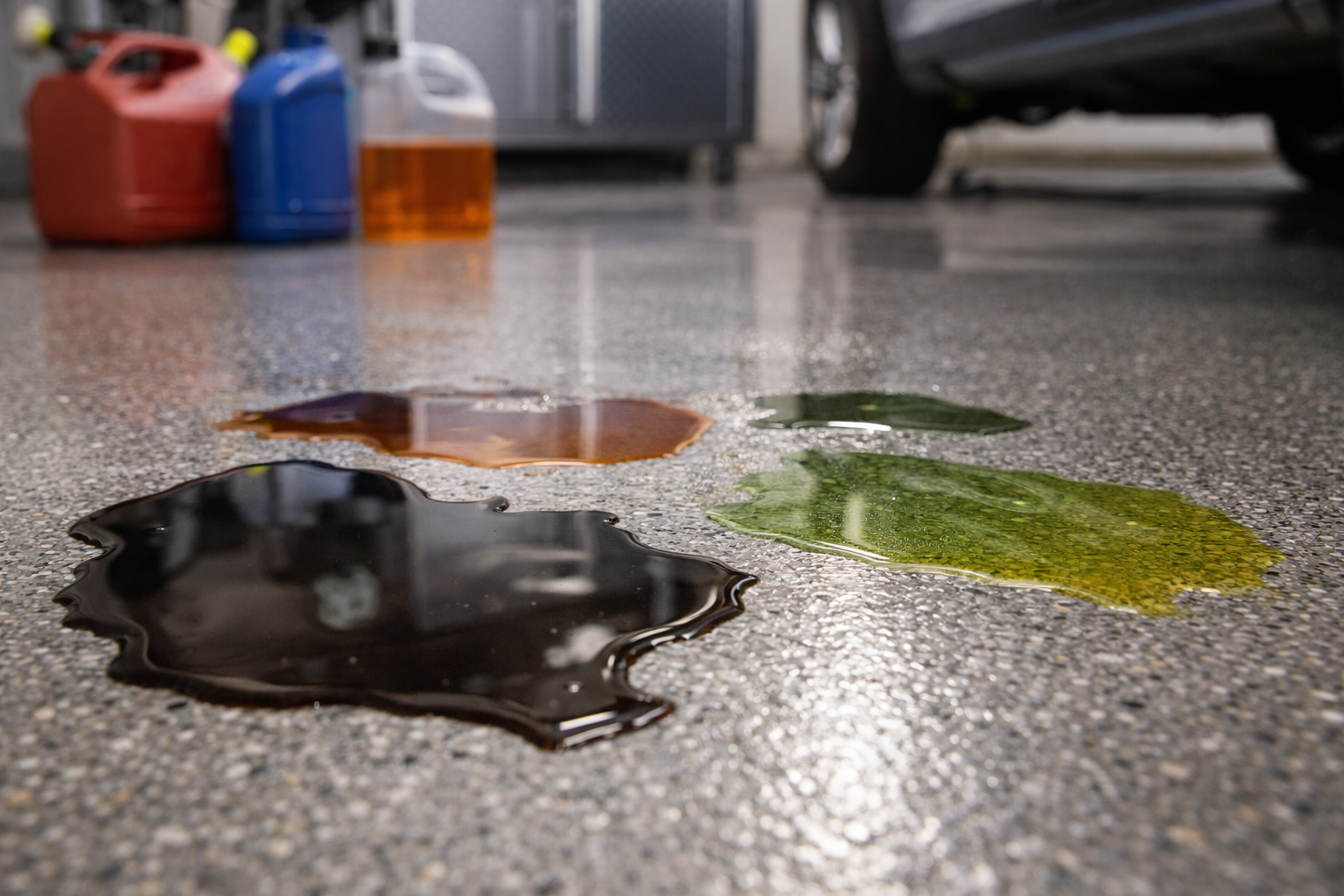
• Produces chemical and moisture resistance
• Forms a stable, non-porous surface
Once cured, epoxy does not soften, re-emulsify, or dissolve like paint or acrylic coatings. The chemistry is permanent.
How Concrete Porosity Enables Mechanical Bonding
Concrete is full of microscopic peaks, valleys, and pores. Properly installed epoxy flows into these openings before curing. As it hardens, it physically locks into the concrete surface.
This mechanical bond is why surface preparation is non-negotiable. If the pores are blocked by dirt, oil, curing compounds, or smooth laitance, epoxy cannot penetrate. The result is weak adhesion and eventual failure.
Epoxy Don treats surface prep as the foundation of the entire system because that is exactly what it is.
Why Surface Grinding Is Essential for Epoxy Adhesion
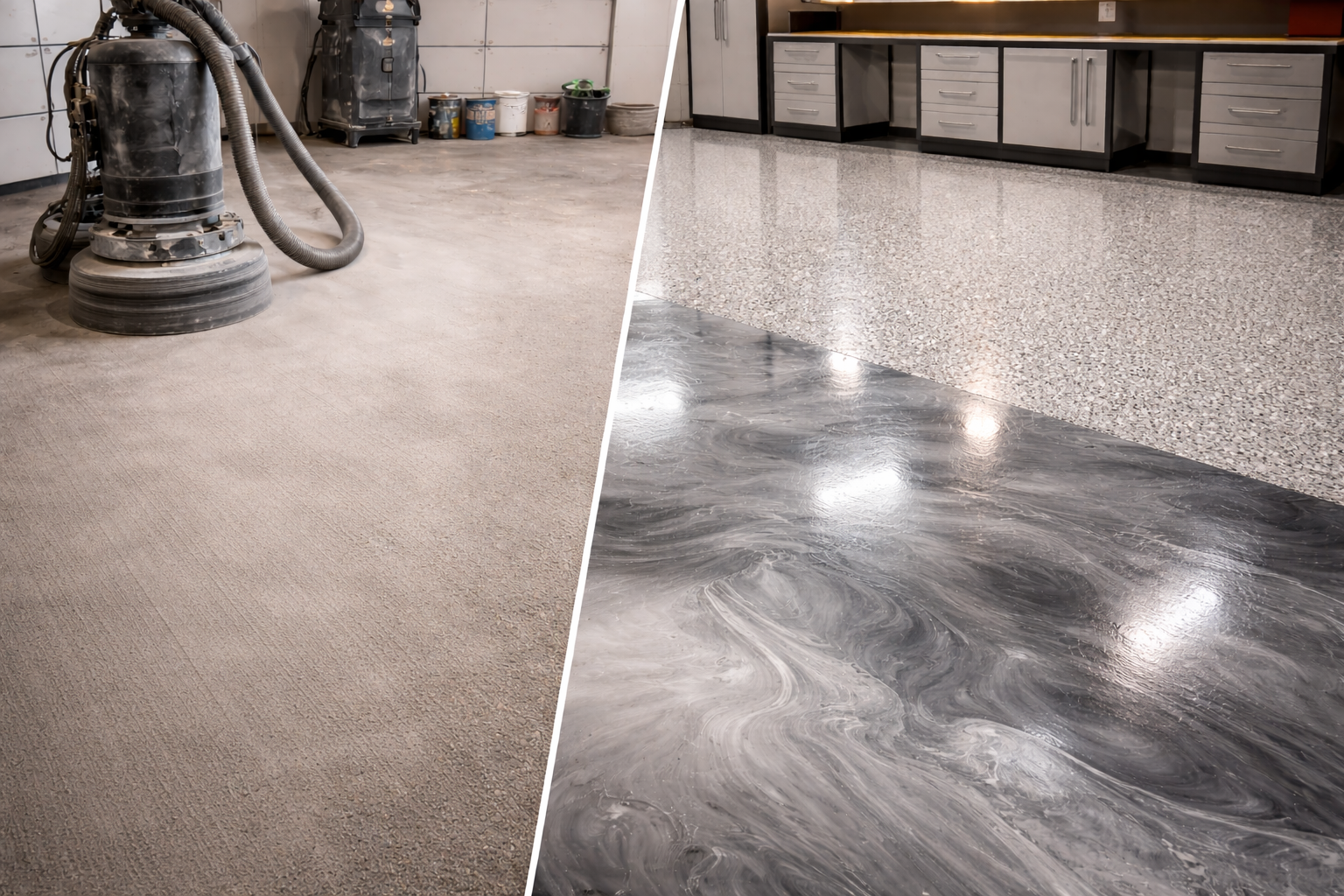
Diamond grinding opens the concrete pores and creates the correct surface profile for epoxy bonding. This is not about roughness for roughness’ sake. It is about creating the optimal texture for epoxy to flow, anchor, and cure.
Professional grinding:
• Removes contaminants that prevent bonding
• Exposes sound concrete
• Creates consistent surface texture
• Allows epoxy to penetrate evenly
Acid etching alone cannot achieve this level of consistency or reliability.
Moisture Control and Vapor Transmission
Concrete naturally holds moisture. If vapor pressure pushes upward through the slab, it can break the epoxy bond from below. This is one of the most common causes of coating failure when shortcuts are taken.
Professional epoxy installation accounts for:
• Moisture vapor emission rates
• Slab age and condition
• Environmental humidity during installation
When needed, moisture-mitigating primers are used to stabilize the slab before epoxy is applied. Ignoring moisture is ignoring physics, and epoxy always loses that battle if preparation is rushed.
Chemical Bonding During the Cure Process
As epoxy cures inside the concrete pores, it forms a chemical bond in addition to the mechanical lock. This dual bonding mechanism is what gives epoxy its legendary adhesion strength.
Once cured:
• The epoxy and concrete act as a single system
• Shear forces are distributed across the surface
• Heavy loads do not cause separation
This is why professionally installed epoxy does not chip or flake under normal use.
Why Thickness and Application Timing Matter
Epoxy chemistry is sensitive to thickness and working time. Applying epoxy too thin weakens durability. Applying it too thick traps heat and air, causing bubbles or improper curing.
Professional installers control:
• Material temperature
• Ambient conditions
• Application thickness
• Recoat timing
Epoxy Don applies each layer with purpose, whether the goal is strength, slip resistance, or decorative depth.
How Additives and Topcoats Enhance Performance
Epoxy systems are often finished with urethane or polyaspartic topcoats. These layers add UV stability, scratch resistance, and flexibility without compromising the epoxy bond beneath.
Additives can also provide:
• Slip resistance
• Impact resistance
• Chemical protection
Each component works together as a system, not as a standalone product.
Who Benefits Most From True Epoxy Bonding
Epoxy flooring delivers maximum value for:
• Garages and workshops
• Commercial and industrial spaces
• Showrooms and high-traffic areas
• Homeowners who want durability, not just looks
In these environments, bonding strength determines lifespan.
Why Professional Epoxy Installation Is About Science, Not Just Skill
Anyone can roll material onto concrete. Very few understand the chemistry, physics, and preparation required to make epoxy perform long-term. Professional epoxy installation respects the material and the surface it is bonding to.
Epoxy Don builds floors with the mindset of a craftsman and the discipline of an engineer. Every step supports the science behind the bond.
Why Epoxy Don Floors Last
Epoxy Don focuses on preparation, material quality, and controlled application. No shortcuts. No guesswork. The result is epoxy flooring that bonds correctly, cures completely, and performs year after year.
Schedule a Professional Epoxy Flooring Consultation
If you want epoxy that actually lasts, it starts with understanding how it works.
Contact Epoxy Don today! to schedule a consultation and experience epoxy flooring built on real science and real craftsmanship.
Get A No Cost Estimate Today
Check Out Our Other Concrete Coatings Articles:
Coming Soon